 Free delivery in Zurich from 40 CHF

Lavender in traditional Persian medicine

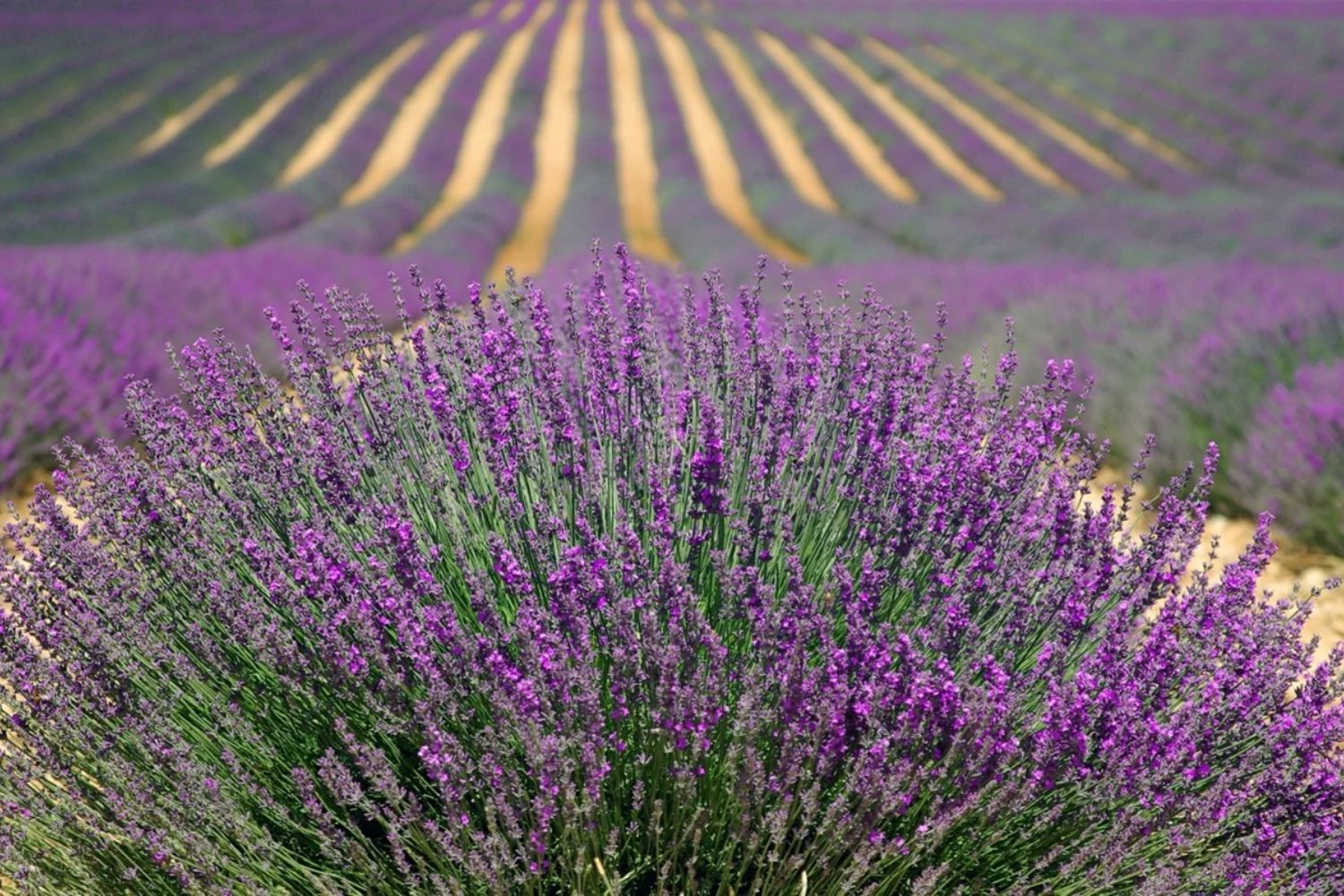
The importance of Lavandula angustifolia in the work of Avicenna and in modern-day Iran
Lavandula angustifolia, also known as true lavender or formerly as Lavandula officinalis, is one of the important plants in traditional Persian medicine. In the Middle Ages, it was described and categorised in detail in Avicenna’s work – particularly in the “Canon of Medicine”. Until the 17th century, this work containing five volumes was also the standard medical manual in Europe.
Lavender is still part of traditional Iranian medicine (“tebb-e sonnati”) and is valued both culturally and historically.
Lavender in Avicenna’s work
Avicenna classified plants in the “Canon of Medicine” according to their effects on the temperaments within the concept of the four humours (humoral theory).
Lavender has traditionally been described as a plant that supports the nervous system and the heart, harmonises the humours’ balance and was used for melancholic states and in recipes for sleep and inner restlessness.
Traditional areas of application in Iranian medicine
In classical Persian literature, Lavandula angustifolia is associated with the following:
Nervous system and sleep
- Inner restlessness
- Melancholy
- Nervous weakness
- Sleep disorders
Cardiovascular system
- Cardiac strengthening
- Traditional description of a blood pressure regulating effect
Respiratory tract
- Bronchitis
- Cough
- Cleansing of the lungs in the understanding of humoral medicine
Digestion
- Flatulence
- Loss of appetite
- Weak digestion
- Support of the bile function
Pain-related application
- Migraine
- Rheumatic complaints
- Cramp-like conditions
All points mentioned above refer to historical sources of Persian medicine and do not represent medical statements in the modern sense of conventional medicine.
Lavender in contemporary Iran
Lavender is stilly traditionally used in Iran today, for instance in the form of herbal teas, distillates (“aragh-e lavand”), traditional herbal blends and aromatic oils.
It is a component of many classic home recipes within the Iranian herbal tradition.
Scientific context
Modern research investigates lavender in the context of aromatherapy, relaxation and herbal ingredients. However, these analyses are independent of the categorisation according to traditional humoral theory.
The cultural significance for Swisspica
At Swisspica, the connection between traditional knowledge and cultural heritage forms the centre of attention. Plants such as Lavandula angustifolia prove how deeply anchored Persian healing tradition is in everyday life – from Avicenna to modern times.
Legal notice
This post is intended solely to provide historical and cultural information about traditional Persian medicine. No promises of healing are made. In case of health issues, always seek medical advice.