 Free delivery in Zurich from 40 CHF

‘Gol Gavzaban’ – Persian borage in Avicenna’s medical writings

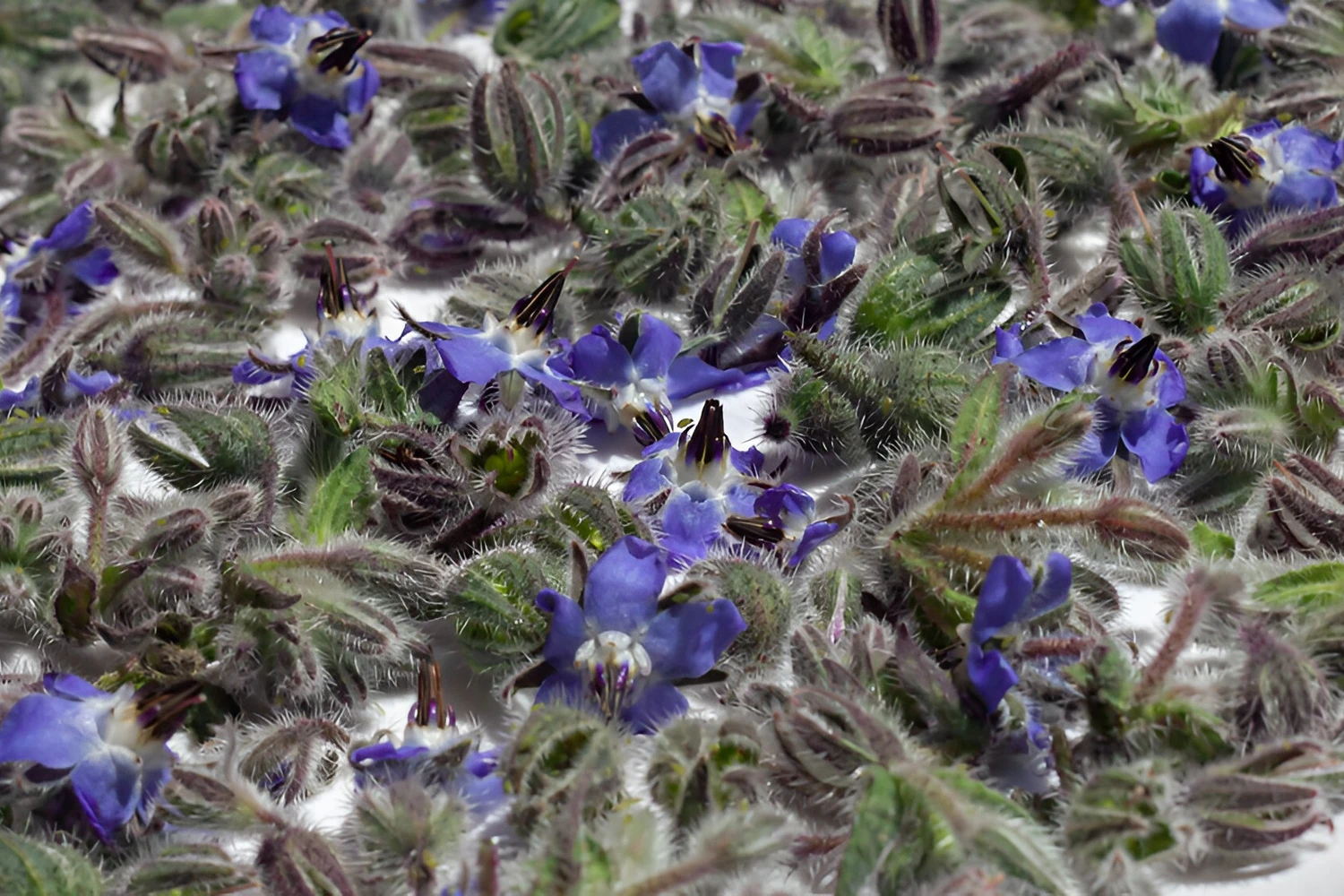
A flower of tranquillity in the Persian healing tradition
The study of plants plays a significant role in the history of Persian medicine. One of the greatest scholars of this tradition was Avicenna.
Avicenna (Abu Ali al-Husayn ibn Sina) was born in 980 and is regarded as one of the most important physicians, philosophers and scientists of the medieval world. He was not only a physician, but also a philosopher, natural scientist, mathematician and polymath. His famous work ‘The Canon of Medicine’ (al-Qanun fi al-Tibb) influenced medical science worldwide for many centuries.
Avicenna described in this work numerous plants and their properties from the perspective of the natural philosophy of his time. Many of these plants are still used today as herbal teas or infusions. One of the best-known plants in the Persian herbal tradition is ‘Gol Gavzaban’, or Persian borage.
Note: The following information relates to historical uses in traditional Persian and Islamic botany and should not be regarded as medical advice.
Gol Gavzaban – a flower from the mountains of Iran
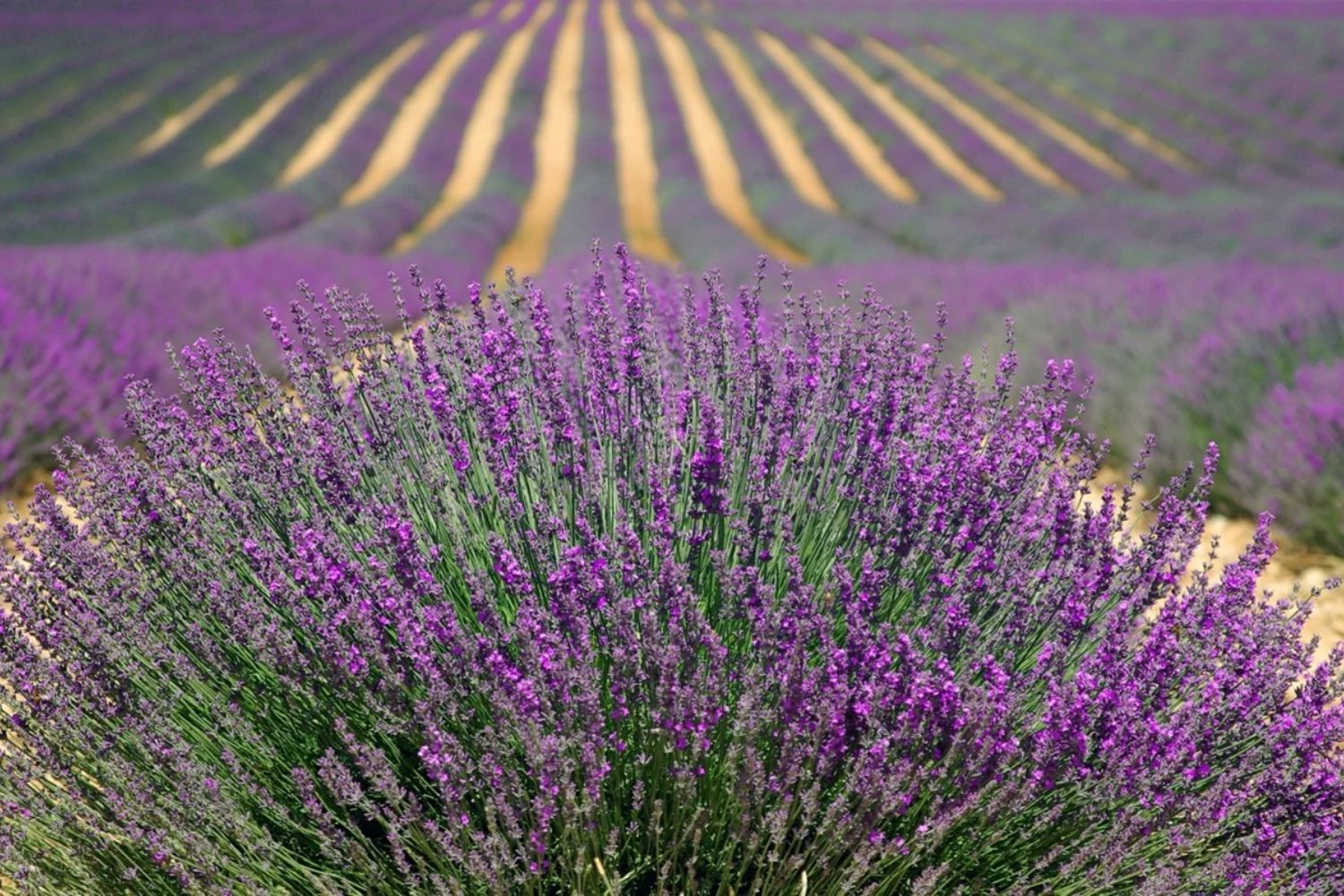
Persian borage grows mainly in the mountainous regions of Iran and is known for its intense violet-blue flowers. For centuries, this plant has been one of the most popular herbs in Persian tea culture.
The dried flowers are traditionally used in herbal infusions and tea blends and are known for their gentle floral aroma and soothing effects.
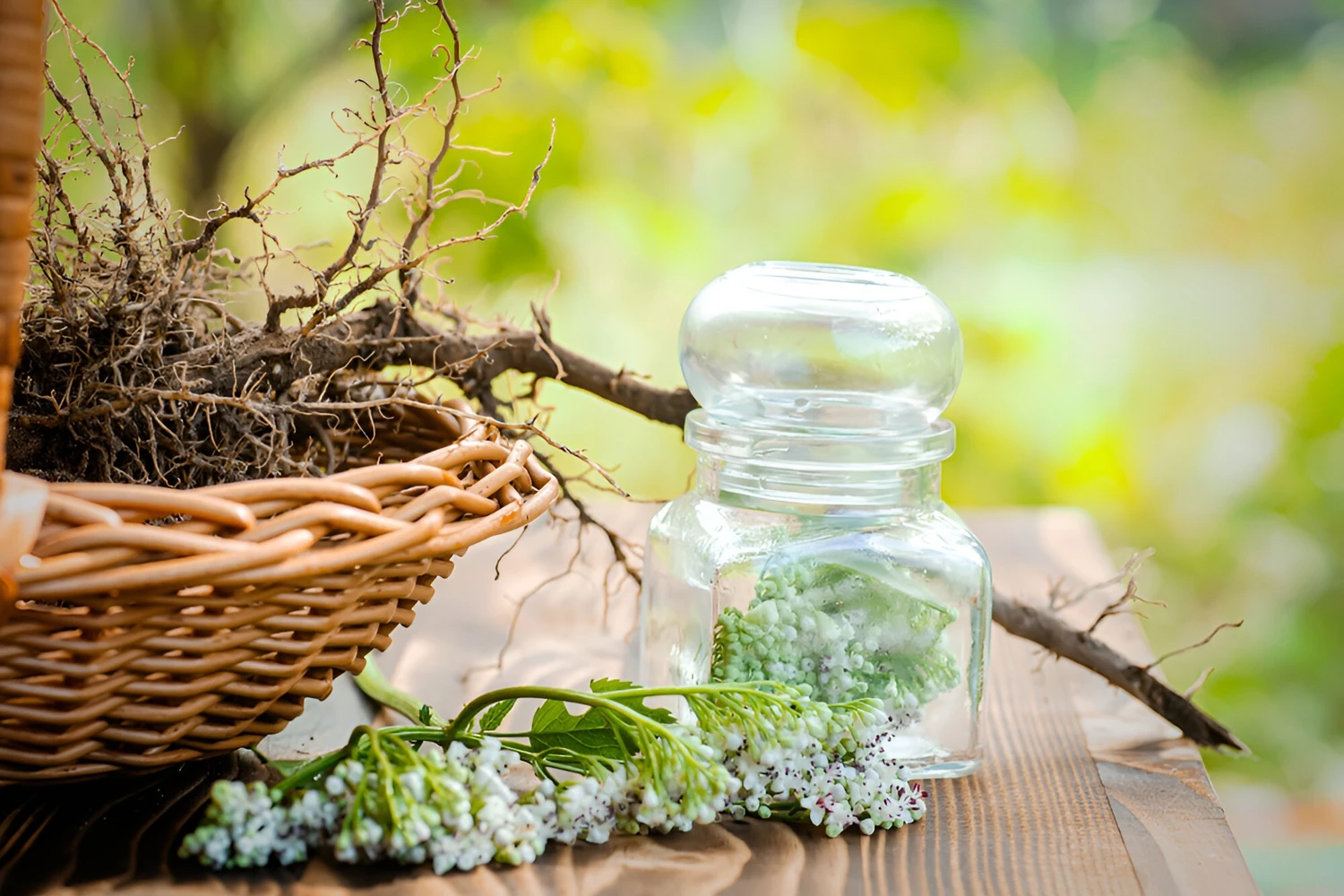
In Persian tradition, Persian borage is often combined with valerian (Senbel al-Tibb). This blend has been prized for generations as a particularly soothing herbal tea.
Gol Gavzaban in traditional Persian medicine
In ancient Persian botany, Persian borage was associated with various properties. Historical sources frequently mention the plant in connection with:
- calming effects on the nerves
- promoting restful sleep
- supporting heart health and mood
- general strengthening of the mind and senses
Traditional herbal texts also mention further properties, including:
- antioxidant properties
- strengthening the five senses
- promotion of sweating during colds and flu
- relief from cough and fever
- relief from flatulence
- relaxing effect on cramps
- support for blood circulation
- promotion of heart function
- soothing of the respiratory tract
- traditional pain remedy
Some historical sources also mention that the plant’s leaves were associated with regulating blood pressure.
These descriptions reflect the understanding of botany at the time, which was based on observation, experience and natural philosophy.
Persian borage against colds and flu
In traditional Persian herbal merdicine, Gol Gavzaban was frequently used to treat colds or flu-like symptoms. The tea was traditionally drunk to:
- promote sweating
- support the body
- enhance general well-being
Traditional preparation
Mix 5 g of dried flowers with a cup of water and simmer gently for about 5 minutes. Then strain the tea.
Alternatively, you can pour hot water over the flowers and leave to infuse for about 20 minutes.
Traditionally, it was recommended to drink this herbal tea up to three times a day.
Many people also enjoy the tea with:
- a little honey
- a few drops of lemon or lime juice
A distinctive feature of this tea is its natural colour change. When lemon or lime juice is added, the colour of the infusion can change from blue-violet to a light red or delicate shade of lilac. This fascinating phenomenon is caused by natural plant pigments that react to the acidity.
A plant of cultural significance
Persian borage is not only a plant used in traditional medicine, but also an important part of Persian tea culture and hospitality.
To this day, this Persian borage tea is served in many Iranian households – particularly during quiet moments or whilst chatting with family and friends.
The history of this plant illustrates how closely nature, culture and knowledge are intertwined – from Avicenna’s medical writings to modern tea culture.
At Swisspica, we therefore view herbal tea not merely as a drink, but as part of a botanical tradition stretching back thousands of years.
A note on traditional botany
The properties and uses described here are drawn from historical Persian and Islamic botany, as handed down in the medical traditions associated with Avicenna (Ibn Sina), amongst other sources.
This information is intended solely to provide a cultural and historical context for traditional herbal uses and does not constitute medical advice or a recommendation for treatment.
People with health conditions, as well as pregnant or breastfeeding women, should never use herbs or herbal preparations for medicinal purposes on their own, but should always consult a doctor or healthcare professional first.